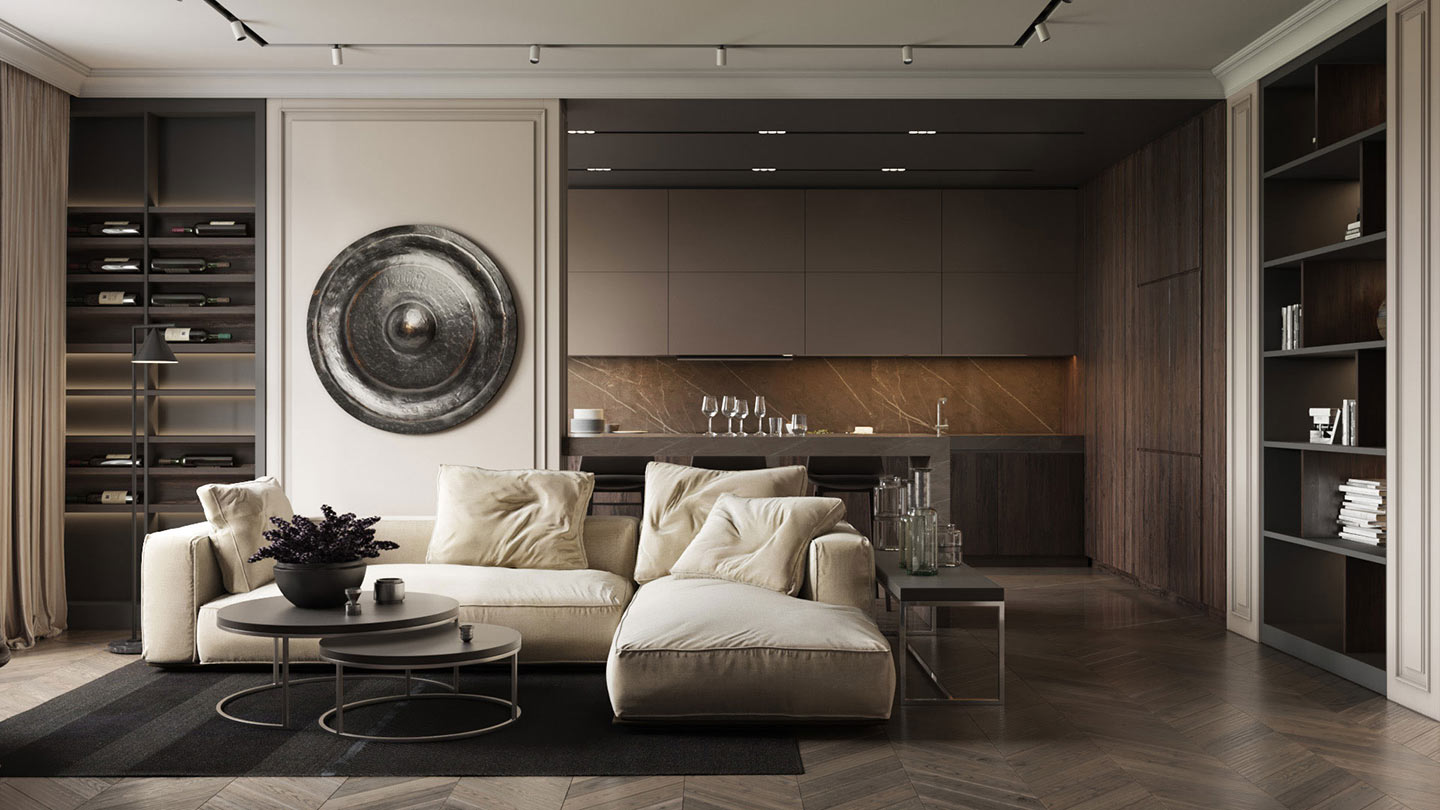
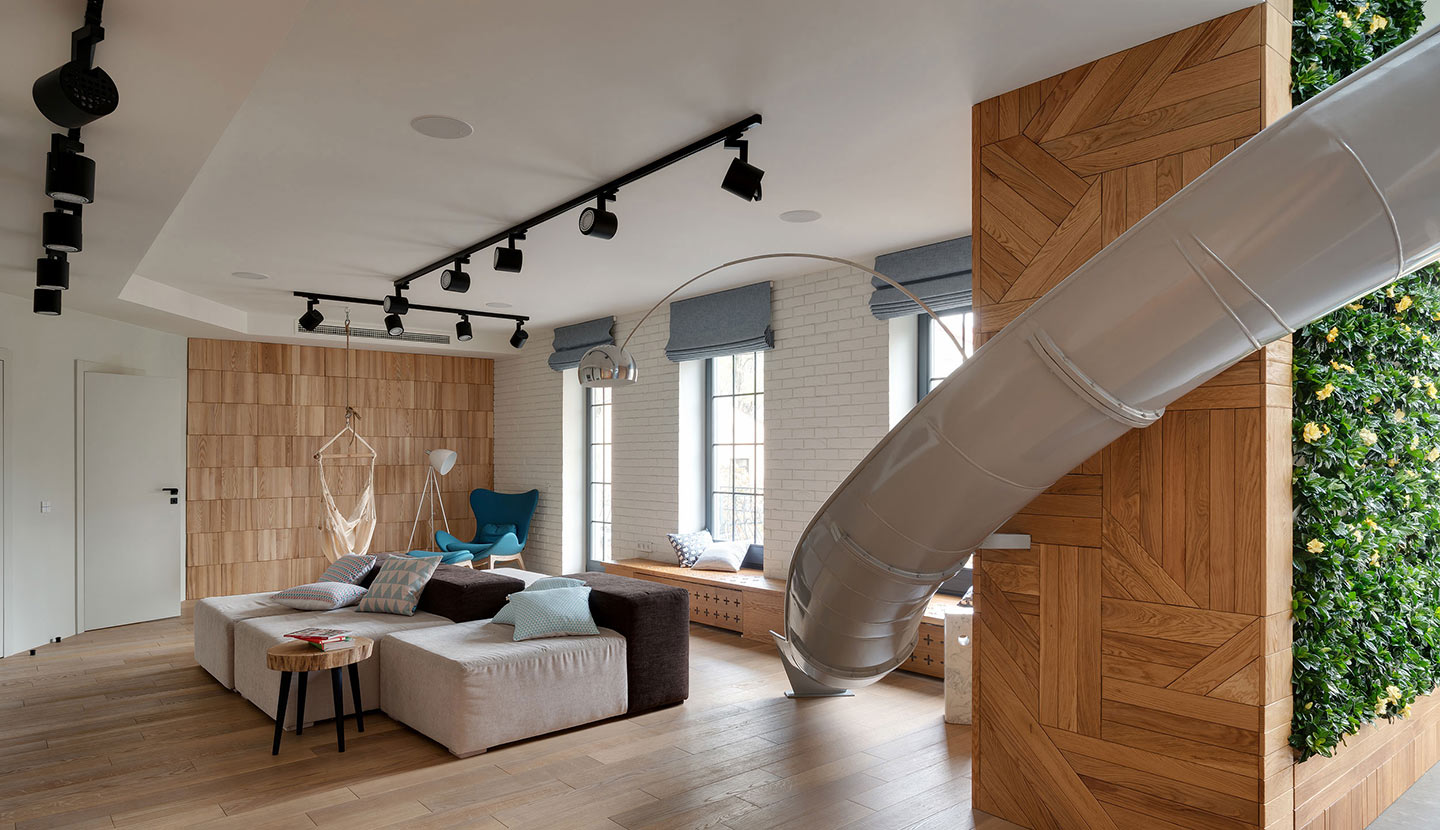
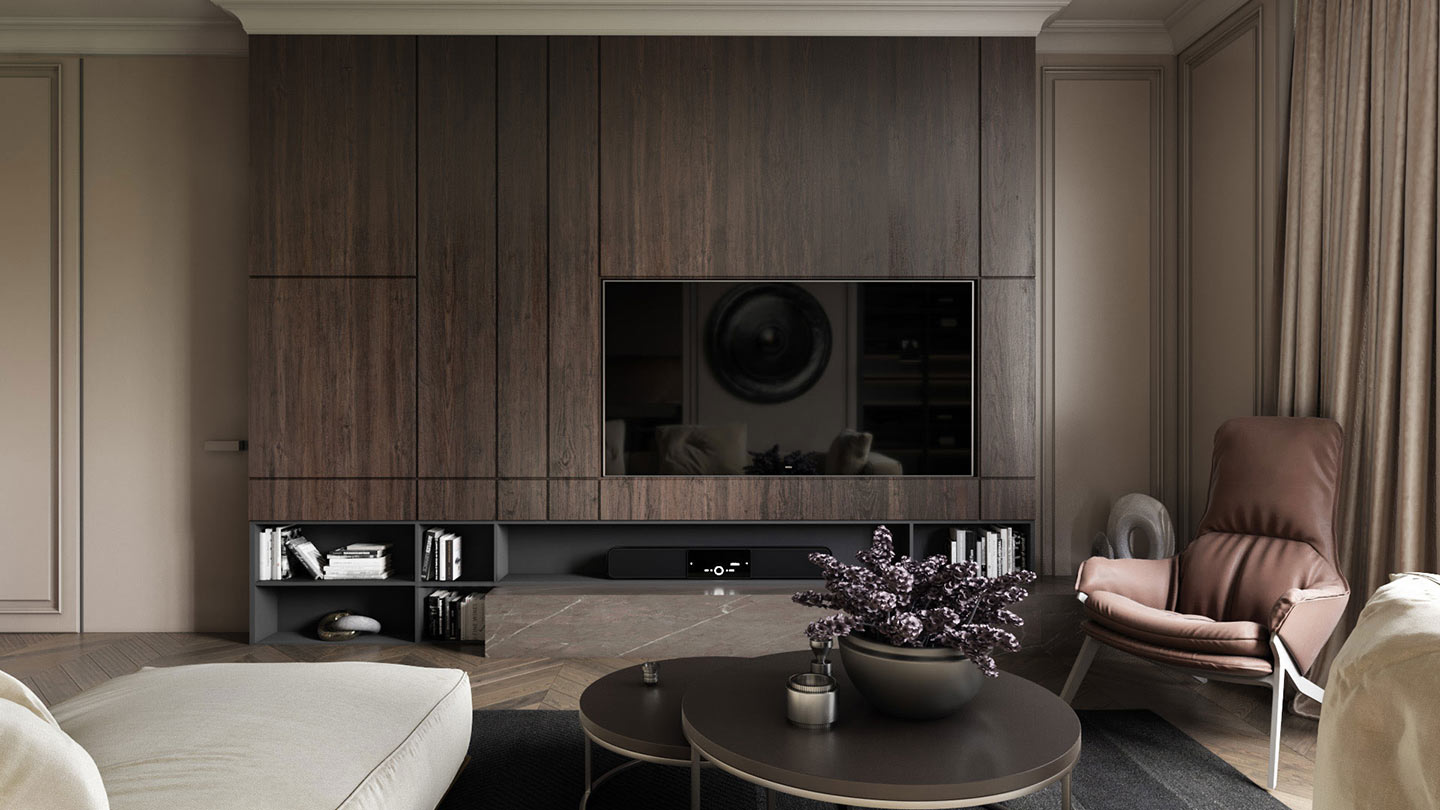
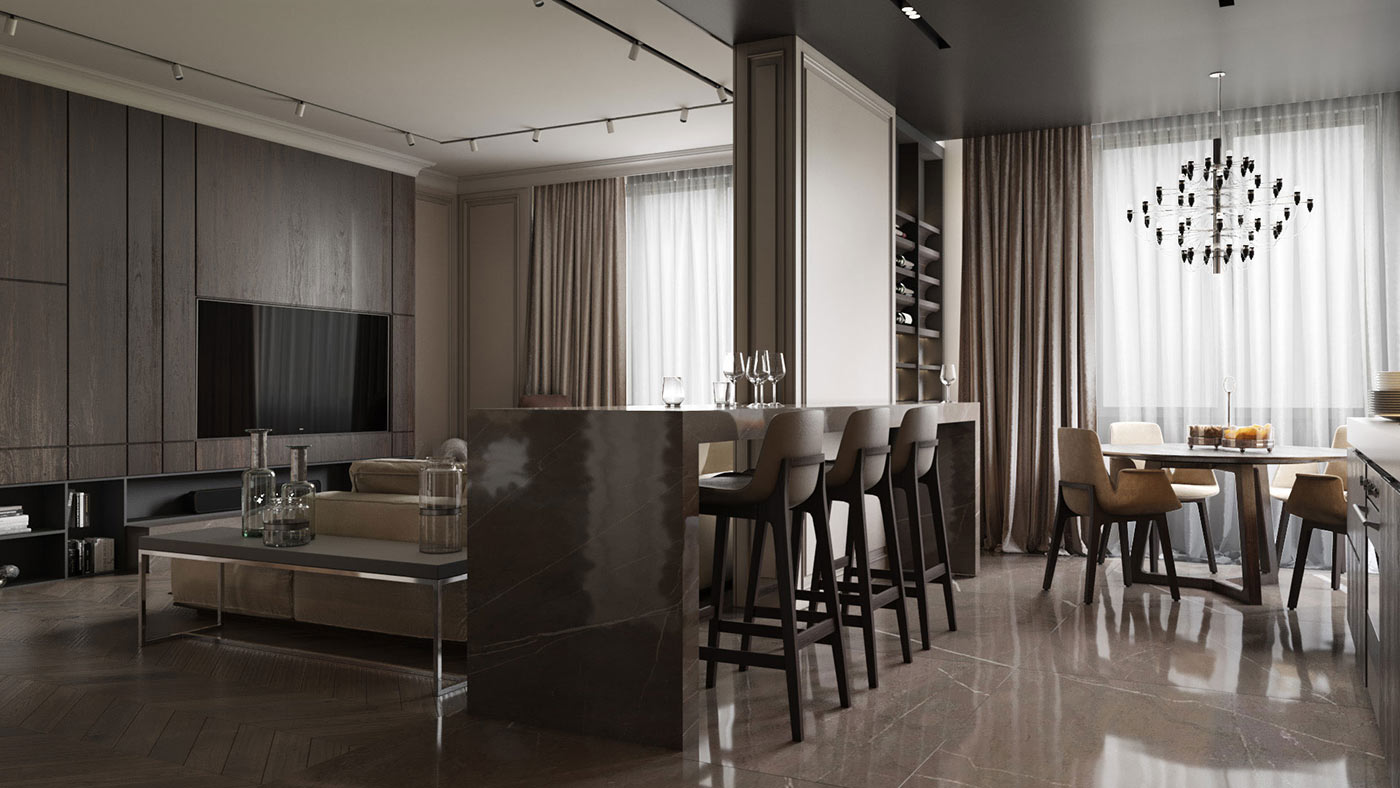
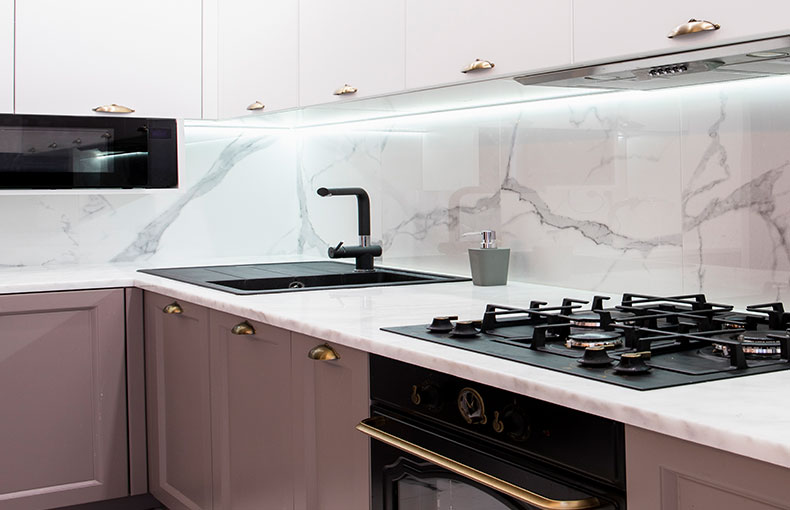
The modern landscape of urban living in Ethiopia is changing rapidly. Walk through the newly built apartments and real estate developments in areas like Bole, Kazanchis, or CMC in Addis Ababa, and you will notice a significant shift. Gone are the days of oversized, heavy furniture sets and rooms packed floor-to-ceiling with bulky decor.
Instead, a fresh aesthetic wave is taking over: Minimalism Interior Design.
But practicing minimalism in Ethiopia doesn’t mean moving into a cold, empty white box that feels alien to our culture. True Ethiopian minimalism is about intentionality—keeping the spaces open, functional, and bright while beautifully weaving in our rich cultural heritage.
Here is how you can achieve a modern, minimalist interior design that still feels undeniably like home.
What is Minimalism Interior Design?
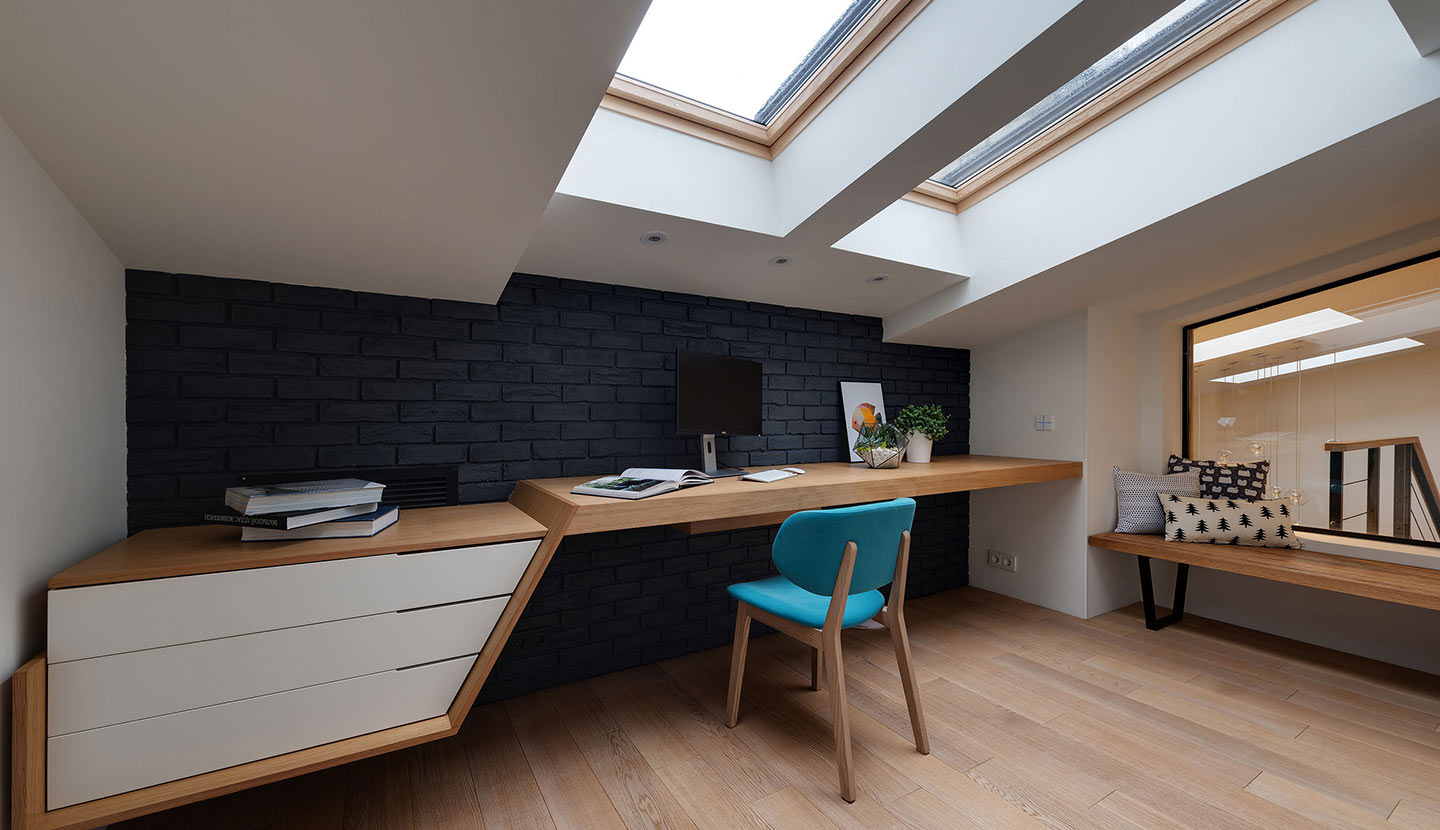
At its core, minimalism follows the philosophy of “less is more.” It focuses on clean lines, a neutral color palette, natural lighting, and multi-functional furniture. In design terms:
Minimalism is not about removing what you love; it’s about clearing out the clutter so that the things that truly matter can shine.
In an Ethiopian context, this means choosing pieces that serve a purpose and reflect quality craftsmanship rather than filling a room just to occupy space.
5 Steps to Achieve Afro-Minimalism in Your Ethiopian Home
1. Swap Bright Flag Colors for Calming Earth Tones
Traditional Ethiopian decor often leans heavily on vibrant reds, yellows, and deep greens. For a minimalist aesthetic, pivot toward neutral earth tones inspired by our natural landscapes.
Base Colors: Soft warm whites, sandy beiges, and concrete grays. These tones reflect natural light beautifully and make smaller city apartments feel expansive.
Accent Tones: Bring in warmth through soft olive greens, terracotta, and muted coffee-brown tones.
2. Invest in Local, High-Quality Hardwood
Minimalism relies on the natural beauty of textures rather than decorative trinkets. Ethiopia has incredible native woods that fit perfectly into clean, modern furniture designs.
Instead of imported, heavily varnished synthetic furniture, look for custom-made minimalist furniture crafted from local timber like Wanza (Cordia africana) or Koso. A low-profile, clean-lined sofa frame or a simple dining table made of native wood provides a high-end, premium feel without creating visual clutter.
3. Use Traditional Items as Statement Focal Points
One trap people fall into is thinking minimalism means throwing away cultural identity. Afro-minimalism actually celebrates it. Instead of scattering dozens of small souvenirs across the room, choose one or two high-impact statement pieces.
| Cultural Item | Minimalist Application |
| The Mesob (Traditional Basket) | Place a single, beautifully crafted Mesob as a focal art piece in a corner, keeping the surrounding wall completely bare. |
| Saba Pottery / Jebena | A modern, matte-black Jebena (coffee pot) resting on a clean concrete or quartz countertop creates a striking visual contrast. |
| Netela / Traditional Textiles | Drape a simple, hand-woven Netela fabric with a subtle tilet border over a neutral-toned accent chair. |
4. Optimize Layouts for the Ethiopian Coffee Ceremony
Minimalism demands that a room’s layout adapts to how you actually live. For Ethiopians, hospitality and the coffee ceremony (Buna) are central to daily life.
Instead of a massive, unmovable coffee table set, opt for nestling side tables or a low-profile modular coffee table. These can be easily rearranged or cleared to the side to make room for the Rekebot (coffee tray) and Ketema (fresh grass) when guests arrive, maintaining an effortless flow.
5. Prioritize Natural Light and Indoor Greenery
With Addis Ababa boasting nearly year-round sunshine, your best interior design element is entirely free: natural light.
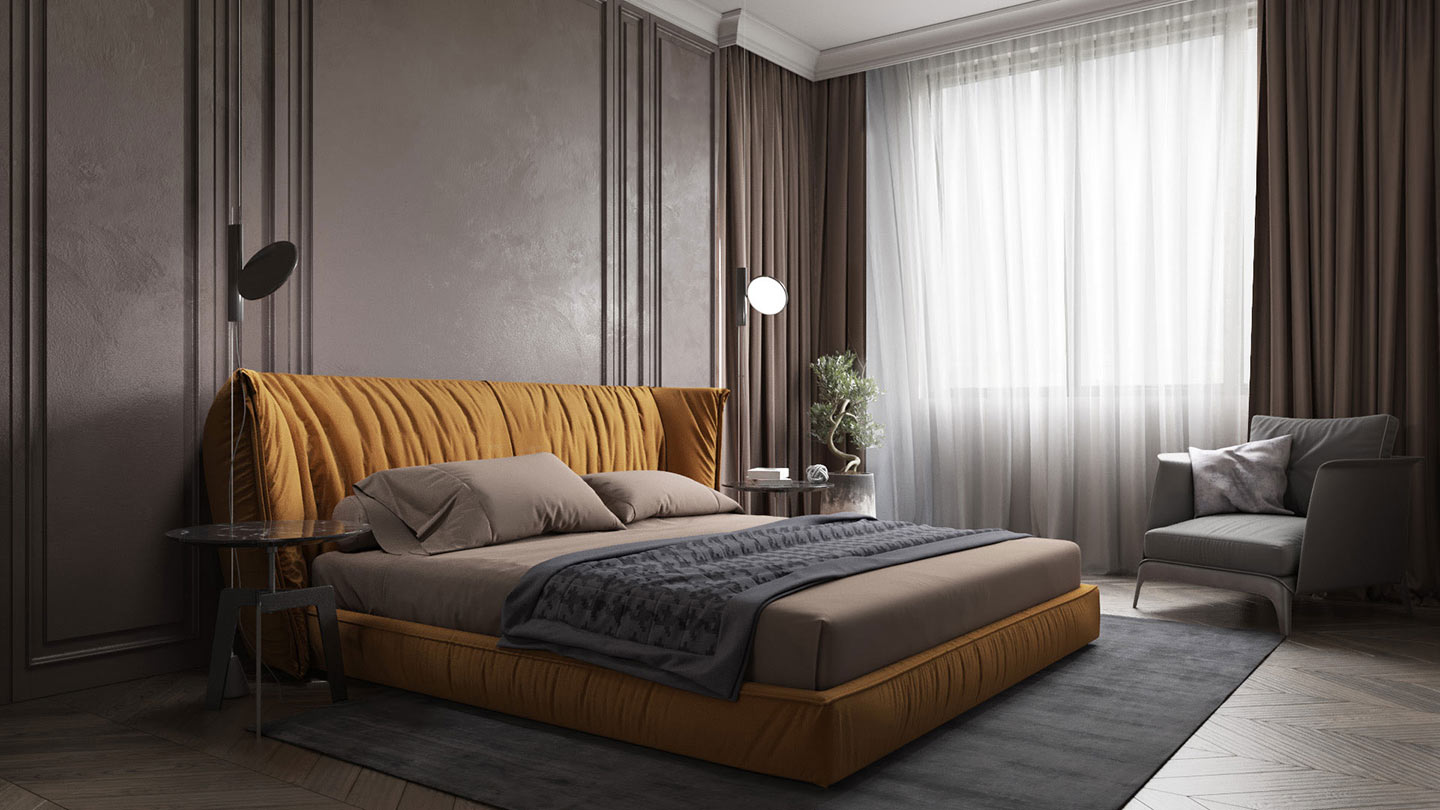
Ditch heavy, dark velvet drapes. Replace them with sheer, light-colored curtains that allow maximum sunlight to flood your living room. To bring the space to life, introduce a few indoor plants. A single, tall fiddle-leaf fig or a snake plant in a simple ceramic pot adds vibrant color and texture while keeping the environment fresh and clean.
Why Minimalism is Trending in Addis Ababa Right Now
The rise of apartment living in major Ethiopian cities means spaces are becoming more compact. Heavy, traditional furniture can choke a modern apartment, making it feel dark and cramped. Minimalist layouts create the illusion of a larger, breezier space.
Furthermore, from a real estate perspective, minimalist homes photograph beautifully. If you are looking to list a property on rental platforms or secure high-end corporate tenants, a clean, modern, and subtly cultural aesthetic is proven to hold higher market value.
Final Thoughts
Embracing minimalism in Ethiopia isn’t about erasing our culture; it’s about filtering it. By stripping away unnecessary clutter, you allow the true beauty of Ethiopian craftsmanship—whether it’s a hand-carved wooden stool or a beautiful piece of local contemporary art—to take center stage.